Egor Kotov presented at NECTAR 2026

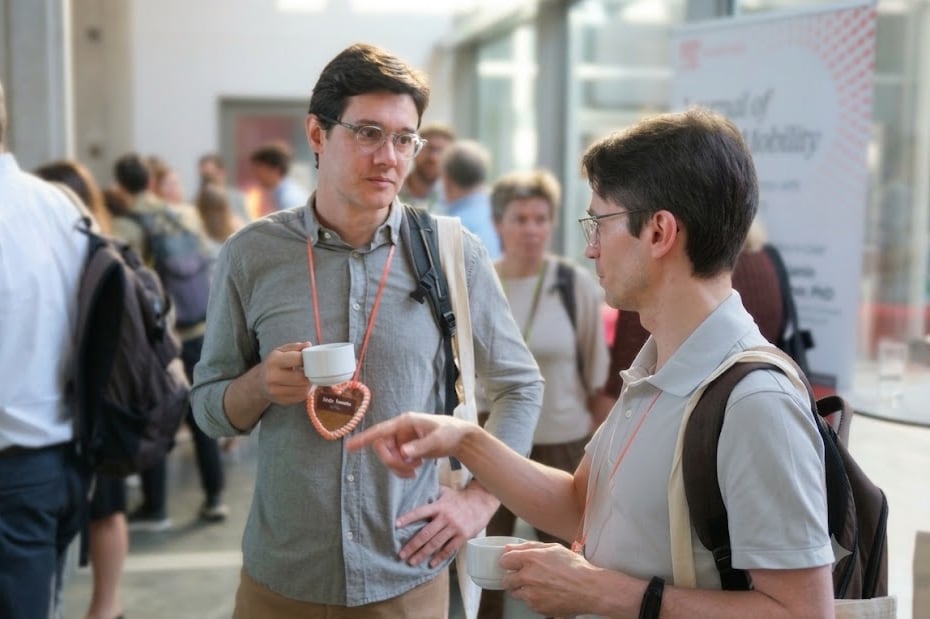
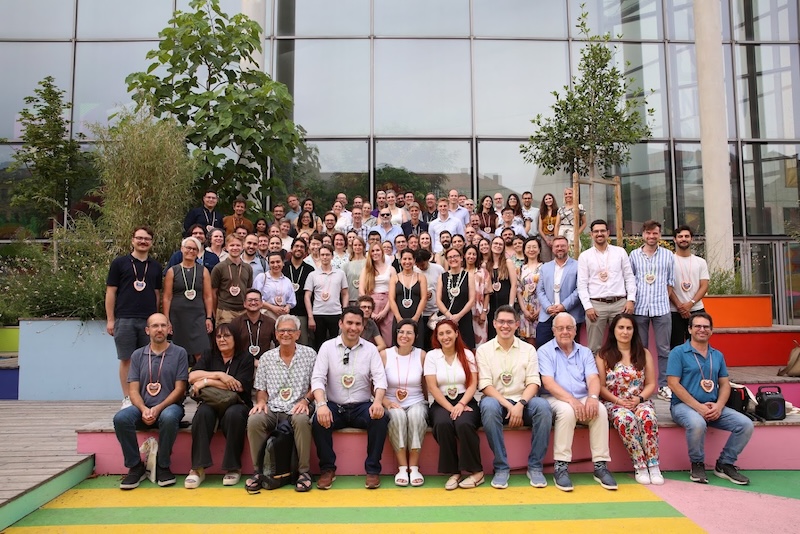
From 13 to 15 July 2026, Egor Kotov participated in the 18th International NECTAR Conference (Network on European Communications and Transport Activity Research) , held in Munich, Germany. Hosted by the Technical University of Munich (TUM), the conference brought together interdisciplinary researchers under the theme "Planning for Urban Mobility Transitions in Times of Uncertainty," exploring how urban mobility planning can adapt to climate, energy, and geopolitical crises.
During the conference, Egor presented his research titled ‘Scaling Individual Traces to Regional Realities: Quantifying How Transit-Based Accessibility Translates into Realised Mobility’. His talk addressed the methodological challenge of characterising daily individual activities by utilising the NetMob25 dataset, a rare source of passively tracked, population-representative GPS trajectories from the Île-de-France region. Drawing on time geography frameworks, the presentation explored a core question in transport planning: Does high accessibility actually reduce overall travel, or simply reshape it? Using models that track individuals over a full week, the research highlighted that living in highly accessible areas does not lead to individuals "rationing" their activities or staying home more often. Instead, people maintain the same level of active, daily participation but accomplish it by covering shorter total distances and shifting away from private car use. Additionally, the presentation demonstrated how different metrics – such as access measured from home versus access experienced throughout a daily schedule – predict distinctly different mobility outcomes.
Beyond the formal presentation sessions, the conference offered a valuable setting for exchange on urban mobility transitions and contemporary methodological challenges in transport research. For the Spatial Modelling Lab, participation in such discussions strengthens ongoing work at the intersection of spatial analysis, accessibility, and human mobility.